Hail Damage Roof Inspection & Repair in Tooele, Utah
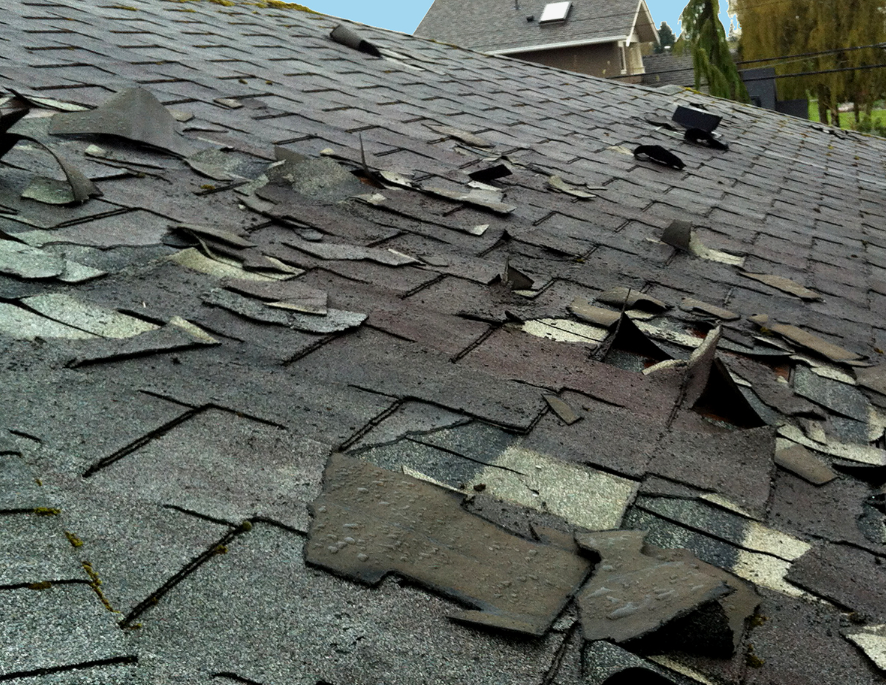
Hail is the damage homeowners are least equipped to judge for themselves, because the worst of it does not look like anything. A stone strikes the shingle, crushes the granule layer down into the asphalt, and fractures the mat underneath. From the ground the roof looks exactly the way it did the week before. What has actually happened is that the shingle's protective layer has been driven inward at that spot, and from then on sun and water get at the mat directly. It does not leak this month. It fails several years early, long after the storm that caused it stopped being anyone's problem.
That is why hail claims are about evidence rather than symptoms. Tooele Roofing Co inspects the field, the soft metals, and the penetrations, maps what we find by slope, and gives you a straight assessment of whether the roof took functional damage, cosmetic damage, or nothing worth filing over. Tooele County recorded hail at two inches during the August 2026 storms , and stones at that size do not need any help from us to make a case.
Schedule My Free Hail Inspection
What Hail Damage Actually Looks Like
On asphalt shingles:
- Bruising. A soft spot you feel more than see. Press it and it gives slightly, like the soft part of an apple, because the fiberglass mat is fractured underneath. This is the damage that matters and the damage that is hardest to spot.
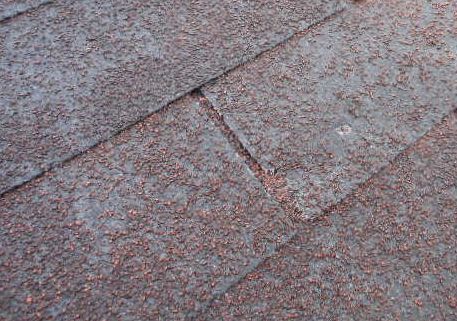
- Granule displacement in a random scatter. Hail leaves dark spots where granules were knocked away, distributed randomly across the slope. Randomness is the signature. Damage in rows, lines, or repeating patterns came from something other than weather.
- Exposed asphalt. Where enough granules were removed that the black mat shows through.
- Hits concentrated on one or two slopes. Hail generally arrives at an angle, driven by the wind behind it. The slopes facing into that wind take the beating and the opposite slopes may be untouched. That directional pattern is part of what confirms a hail event.
On metal roofs and panels: dents in the flat of the panel, dented ridge caps and closures, and damage to trim. Whether that counts as damage worth claiming is a separate question and one worth reading the section below on.
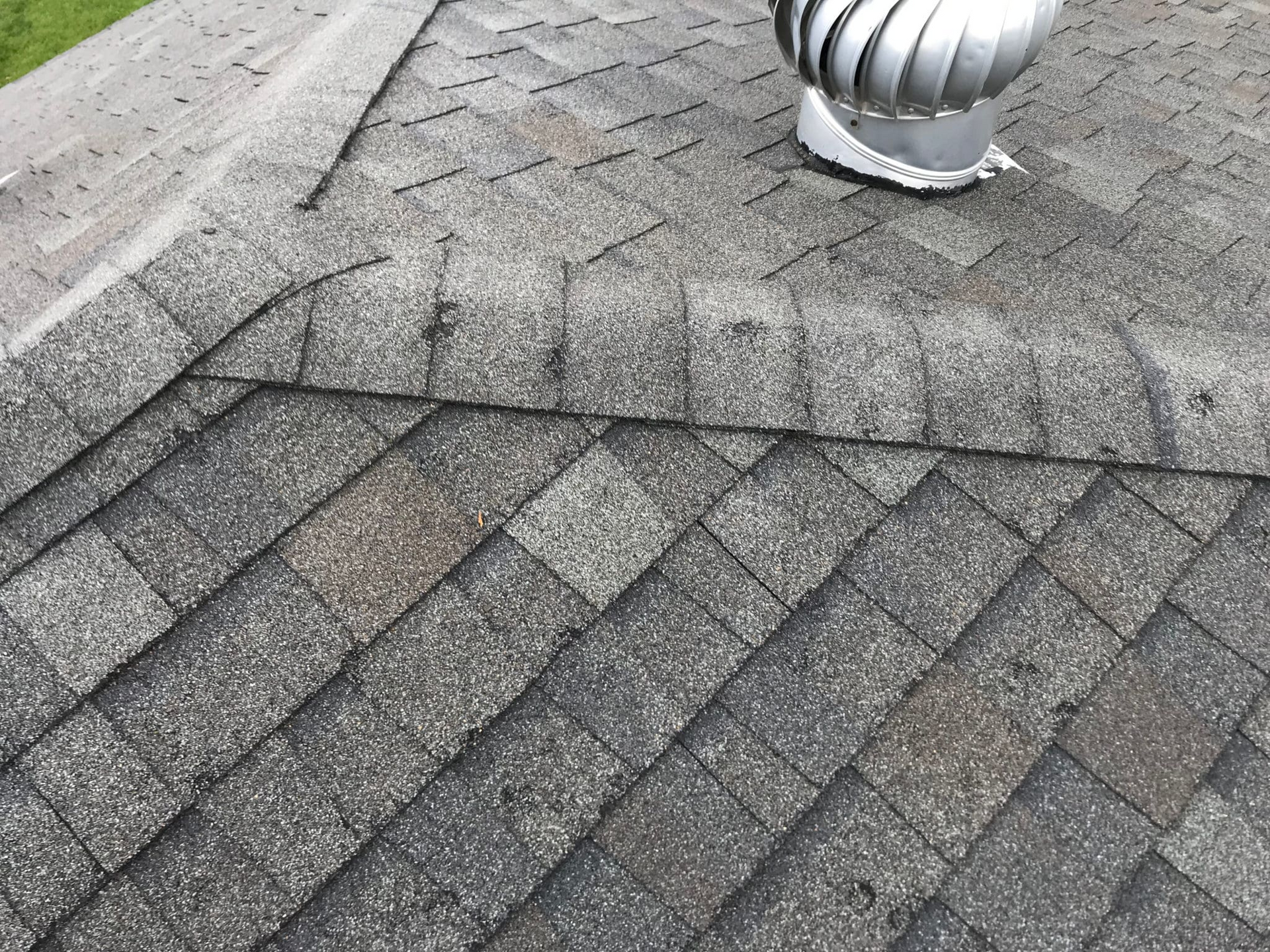
Where the clearest evidence usually is: the soft metals. Vent caps, gutters, downspouts, drip edge, and flashing dent visibly and hold that dent. When shingle damage is ambiguous, the soft metals are frequently what establishes that an impact event occurred at all.
Check These Yourself, From the Ground
You do not need a ladder to find out whether hail hit your property hard enough to be worth an inspection. Walk the yard and look at the things that dent:
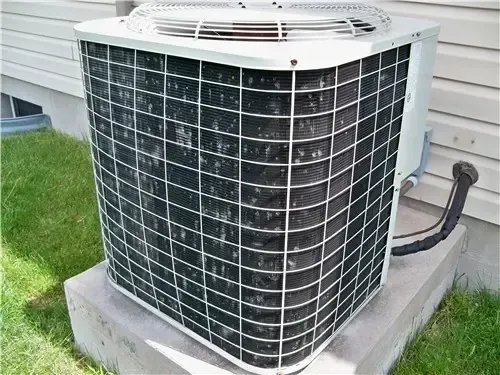
The air conditioning condenser
The aluminum fins on the outside are thin and they record hail beautifully. Dented fins on the upward-facing or wind-facing side are one of the most reliable indicators there is.
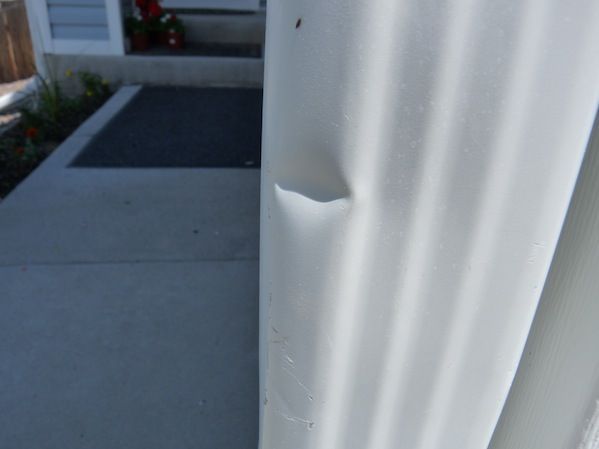
Gutters and downspouts
Particularly the tops of gutter runs and the flat faces of downspouts.

The mailbox, the grill lid, garbage can lids
And any metal shed or panel
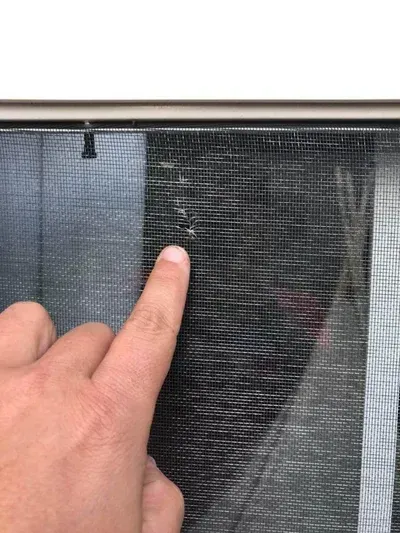

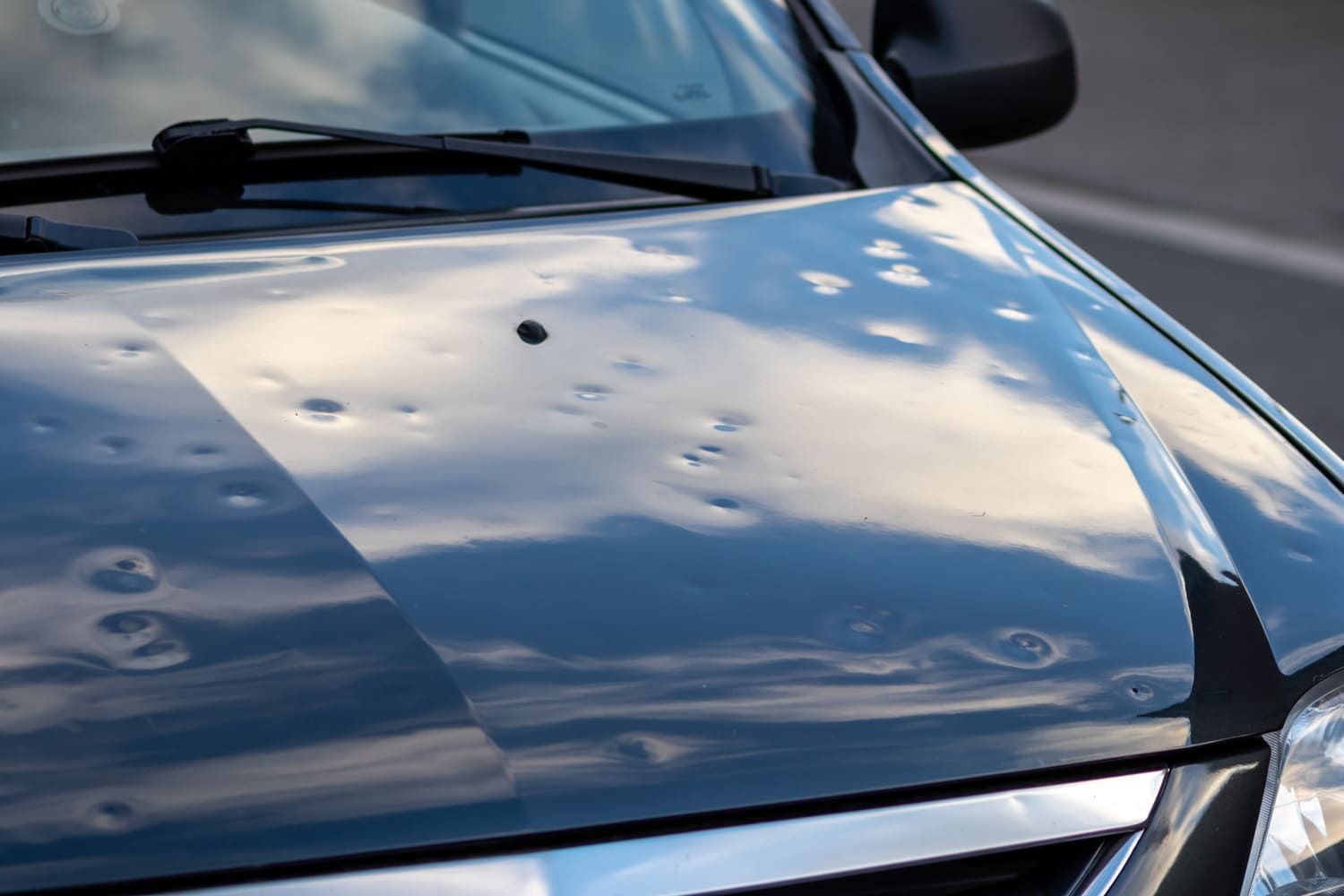
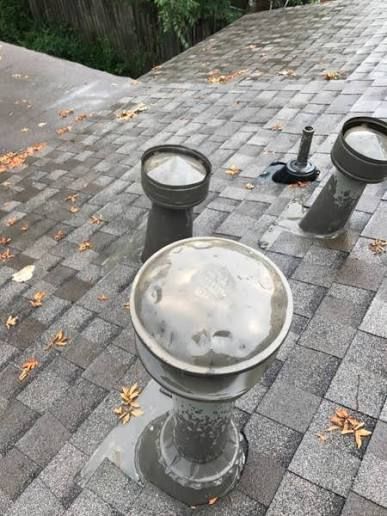
If several of those show fresh impacts, your roof almost certainly took hits too. Photograph what you find, note the date, and call for an inspection. If none of them show anything, the roof probably came through it, and we will tell you that for free rather than selling you a claim.
What Gets Mistaken for Hail Damage
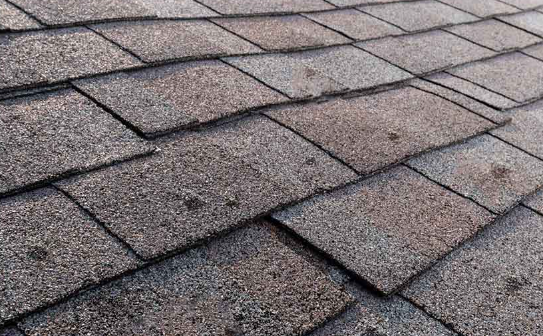
This section exists because filing a claim on damage that is not hail damage wastes your time, can put a claim on your record for nothing, and gets denied.
Blistering. The most common false positive by a wide margin, and it fools plenty of homeowners and some inspectors. Blisters form when trapped moisture or volatile gases in the asphalt expand under heat and pop the surface, leaving small round craters with granules missing. They look remarkably like hail hits. The differences: blisters tend to be more uniformly round and evenly distributed across the whole roof rather than concentrated on wind-facing slopes, they do not bruise the mat underneath, and they show up on slopes hail could not have reached at that angle. In a valley with intense summer sun on dark shingles, blistering is common enough that any honest hail inspection has to rule it out first.
Foot traffic damage. Granule scuffing in a path across the roof, usually running from an access point toward a chimney, vent, or satellite dish. It follows a route. Hail does not walk anywhere.
Ordinary granule loss from age. Even, gradual thinning across the whole roof with granules accumulating in the gutters over years. If it is uniform and the roof is old, that is a life expectancy conversation and not a claim.
Mechanical damage. Marks from a dropped tool, a ladder, a satellite installer, or a previous repair. Usually clustered and usually near something that explains it.
Manufacturing defects. Certain shingle batches fail in patterns that resemble impact damage. If the pattern is identical across the entire roof including sheltered areas, that points toward the product rather than the weather, and the remedy is a manufacturer claim rather than an insurance claim.
We check for all of these before we tell you that you have hail damage. It is not in your interest for us to be wrong about this, and it is not in ours either.
How a Hail Inspection Actually Works
Knowing the method makes it much easier to evaluate whoever is up on your roof.
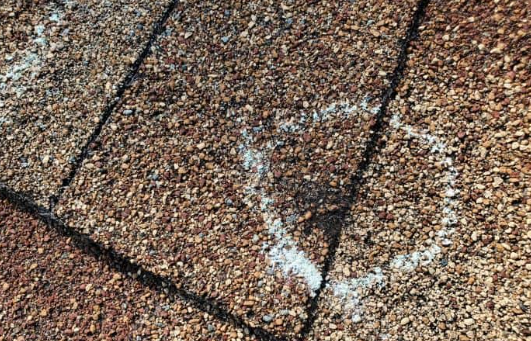
Test squares. The standard approach is to mark out a square section on each slope and count the impacts inside it, which converts a vague impression of the roof into a number that can be compared slope by slope. Carriers generally work from a threshold number of hits within a test square to determine whether a slope is considered damaged. A standard test square measures 10 feet by 10 feet, outlining a total inspection area of 100 square feet. Insurance carriers typically require a threshold of 8 to 10 qualifying hail hits within that test square to consider a roof slope severely damaged enough to justify a partial or full replacement.
Mapping by slope and direction. Every slope gets assessed separately, because a hail event that came in from the southwest may have destroyed two slopes and left the others fine. Mapping it by direction also demonstrates that the pattern is consistent with an actual storm.
Chalk and photographs. Impacts get circled and photographed with the date attached, so the documentation shows specific hits in specific locations rather than a general claim that the roof is damaged.
Soft metals and penetrations. Vents, caps, flashing, gutters, and downspouts get inspected and photographed, since these frequently carry the clearest proof of impact.
The attic side. We look for daylight, staining, and any evidence of existing intrusion, because hail damage sometimes accompanies other problems that matter more.
What you get: a written report with dated, location-tagged photographs, a slope by slope summary, and a clear statement of whether we believe the roof took functional damage. Free, and yours whether you file, hire us, or file it away and do nothing.
Functional Damage vs. Cosmetic Damage
This distinction decides a great many hail claims, and most homeowners have never heard of it before an adjuster uses it.
Functional damage means the hail affected the roof's ability to do its job: the mat is fractured, the protective granule layer has been compromised, the shingle's service life has been shortened. That is what a claim is for.
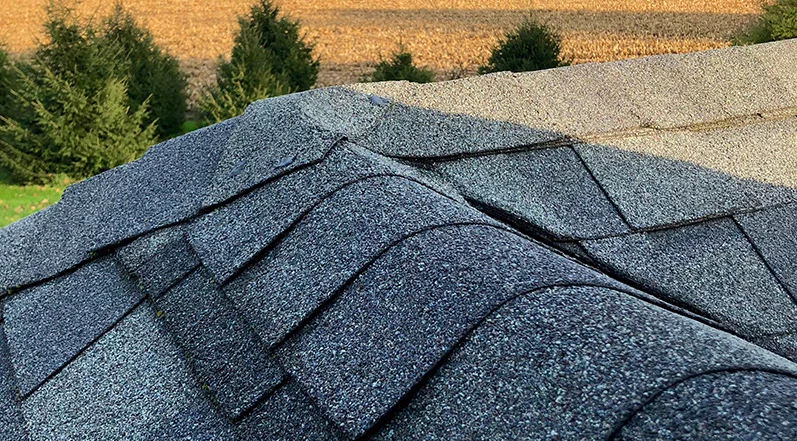
Cosmetic damage means the roof looks worse but still performs. The clearest example is a metal roof with dents in the panels. The dents are permanent, they are visible, and the roof continues shedding water exactly as it did before.
Here is the part worth knowing before you need it: some policies contain cosmetic damage exclusions or endorsements, particularly for metal roofing, which specifically remove coverage for hail damage that is purely aesthetic. If you have a metal roof, or you are considering one, that is a genuinely important line to look for on your policy.
The gray area between the two is where claims get argued, and it is the reason documentation quality matters so much. A photograph of a circled impact with a measurement beside it is an argument. A general statement that the roof has hail damage is an opinion.
Impact-Resistant Shingles in a Hail Valley
Class 4 is the highest impact rating under the UL 2218 standard, which tests shingles by dropping steel balls of increasing size and checking whether the mat cracks. Products that earn it use modified asphalt or reinforcement that lets the shingle absorb a strike instead of fracturing.
The case for it here. This county recorded two inch hail last August. A shingle that survives strikes at that scale rather than bruising is not a theoretical benefit in Tooele Valley.
The case against. The upgrade adds real cost to the material line, and impact resistance is not indestructibility. Class 4 shingles can still be damaged by a large enough stone.
The question that decides it. Many carriers offer a premium discount for Class 4 roofing, which can offset a meaningful share of the upgrade over the life of the roof. Whether yours does, and how much, changes the answer completely. Call your insurer and ask before you decide.
Material expenses run roughly 10% to 25% higher than standard architectural options. Major nationwide and regional carriers operating in Utah (such as State Farm and Allstate) often provide premium credits for certified impact-resistant roofs. Savings typically range between 5% and 25% applied specifically to the wind and hail portion of the premium, though exact percentages vary widely by policy and specific carrier guidelines.
We quote both options on every replacement so you can see the actual gap rather than estimating it. Full material detail on our asphalt shingle page.
Will Insurance Cover Hail Damage?
Hail is a covered peril under most homeowner policies, which puts it in a better starting position than a lot of roof damage. What gets contested is whether the damage is functional, whether it came from the storm you are claiming, and what your policy actually pays.
The mechanics of all that, meaning replacement cost versus actual cash value, deductibles including separate wind and hail deductibles, the claim timeline, and how to avoid post-storm contractors, are covered in full on our storm damage page.
Rather than repeat it here, three points specific to hail:
No leak does not mean no damage. This is the single most expensive misunderstanding about hail. Bruised shingles do not leak the week of the storm. They fail years early, by which point the reporting window has closed and the damage has become, in a carrier's view, ordinary wear. If hail hit your area, get the roof documented while the storm date still connects to it.
Hail is local, and your neighborhood matters. A hail core can flatten one subdivision and leave the next one untouched. Your neighbor's undamaged roof is not evidence about yours, and neither is a countywide report. Slope by slope documentation of your specific address is.
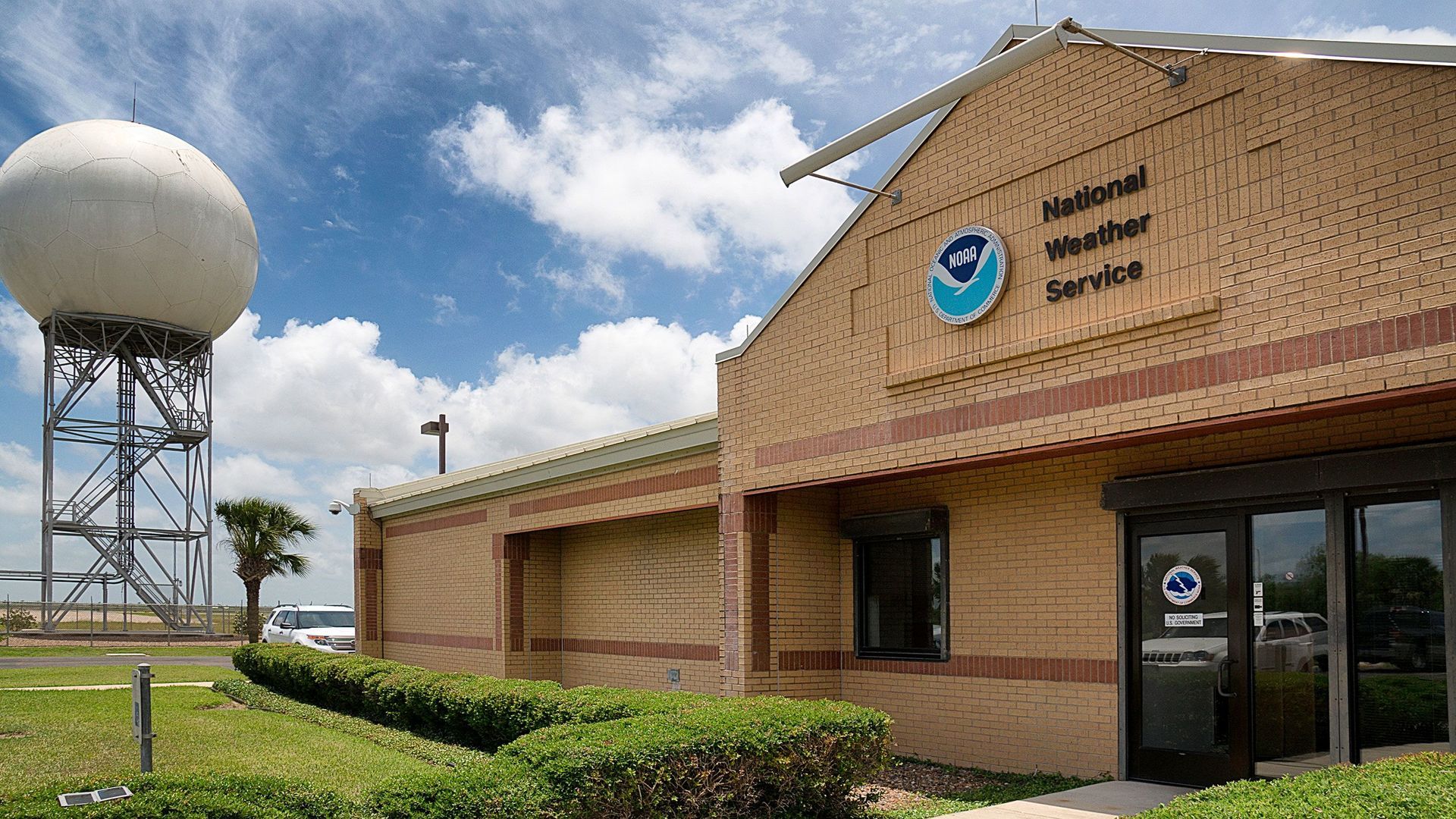
Date it against the record. The National Weather Service archives severe weather reports including hail sizes by county and date. Pairing that record with dated photographs of your roof is considerably stronger than describing the storm from memory. The lookup is described on our storm damage page.
What Hail Damage Repairs Cost in Tooele
Typical Tooele County market ranges; estimates only. On an approved claim your out of pocket is generally your deductible rather than these figures — check whether your policy carries a separate wind and hail deductible, which may be larger than the one you expect.
On an approved claim your out of pocket is generally your deductible rather than these figures. Check whether your policy carries a separate wind and hail deductible, because it may be larger than the one you are expecting.
Hail damage you can't see from the ground is still damage. It just has to be documented to count.
Our Hail Assessment and Repair Process
01
Inspect and Map
Test squares on every slope, soft metals, penetrations, and the attic side. Impacts circled, photographed, and tagged by location and date.
02
Rule Out the Look-Alikes
Blistering, foot traffic, age, and mechanical damage get checked and excluded before we call anything hail. If what you have is blistering, you will hear that from us.
03
The Number, in Writing
A written report with our assessment of functional versus cosmetic damage, an itemized repair or replacement estimate, and our view on whether filing makes sense given your deductible.
04
Repair and Close the File
Work completed, completion photographs delivered, and the documentation archived, including supplement support if the initial adjuster scope missed slopes we documented.
Why Choose Tooele Roofing Co for Hail
We rule out blistering first
Confusing heat blisters for hail hits is the most common error in this business, and getting it wrong costs you a denied claim and a mark on your record.
We will tell you the roof is fine
Plenty of hail inspections should end with nothing to file. Ours do, regularly.
Documentation an adjuster can work from
Circled impacts, test square counts, slope by slope mapping, dated photographs. Not a one-line assertion that the roof has hail damage.
We were here before the storm
After a confirmed hail event, out of area crews arrive within days and leave within months. Our address stays in Tooele County.
Hail Damage FAQs
Find Out What the Hail Actually Did
Free inspection, test squares on every slope, dated photographs you keep, and an honest answer about whether there is anything here worth filing.
Or Call: 385-527-3313