
Roofing in Stockton, Utah
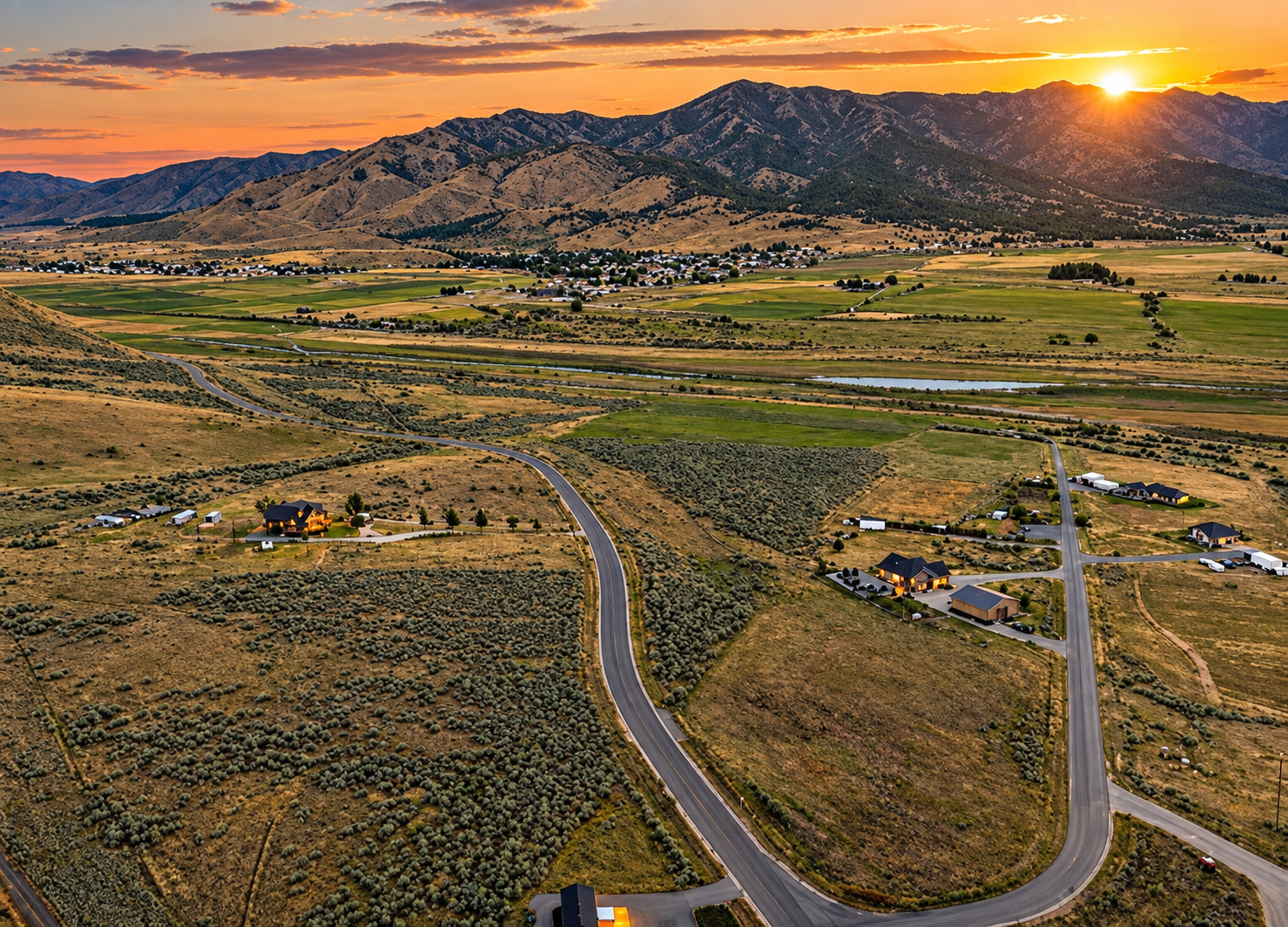
Stockton sits south of the Stockton Bar, the long gravel ridge left behind by ancient Lake Bonneville that separates Tooele Valley from Rush Valley. Crossing it puts you in a different place than the valley floor in more than one sense. The ground here is higher, the winters run longer, and the town is small enough that most roofing companies would rather not make the drive.
It is also old. Stockton has a mining history going back to the 1860s, and a good deal of its housing stock is small, older, and has been re-roofed several times by several different people.
Tooele Roofing Co works down here, including the small jobs. A modest repair is not a commute decision for us, and when a town has a lot of older roofs on it, small repairs done at the right time are most of what keeps those roofs going.
Get Your Free Stockton Roof Inspection
Higher Ground, Longer Winter
The difference in elevation between the Tooele Valley floor and the Rush Valley side of the bar is real, and it changes the roofing conversation.
What matters practically is that snow tends to arrive earlier, sit longer, and go through more melt and refreeze cycles down here than it does on the north end of the county. That has three consequences for a roof:
More ice dam opportunity. Every cycle where snow melts during the day and refreezes overnight at a cold eave is another chance for a dam to build and for water to work backward under the shingles. It is not the depth of snow that produces dams, it is the cycling.
Longer load duration. Snow that stays on a roof for weeks rather than days keeps the structure loaded, and wind redistributes it into drifts that concentrate the weight in specific places rather than spreading it evenly.
A shorter repair window. Work that requires open decking has to happen before the roof closes up for the season. On this end of the county, that window shuts earlier, which is a good argument for getting an inspection in early fall rather than late.
Older Roofs, and Why Small Repairs Matter Here
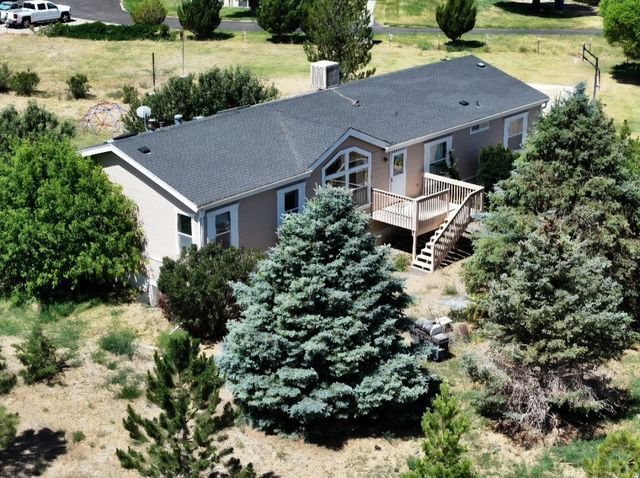
A lot of Stockton's housing has been standing for a long time, and roofs on older houses tend to carry the accumulated decisions of everyone who has worked on them. Previous layers, flashing details from an earlier standard of practice, chimneys that predate current flashing methods, and repairs of varying quality made by whoever was available at the time.
None of that is a problem in itself. What causes trouble is when nobody will come out for the small stuff.
A cracked pipe boot is an inexpensive fix in September. Left alone, it is a soaked bedroom ceiling in February, and by then the repair involves drywall and insulation as well as roofing. On an older roof, the gap between a minor repair and a major one is usually one winter.
We take the small jobs. One creased shingle, one dripping boot, one lifted ridge cap, one section of flashing. That is not leftover work for us, and it gets scheduled with the same attention as anything larger. When we quote a repair on an older roof, the estimate also includes our read on the condition of the rest of it, so you know whether this is the last repair or the first of several.
The Wind Comes Through Here Too
Being at the south end does not mean being sheltered. Rush Valley is open country and the storm warnings issued for the county in August 2026 named Stockton along with Rush Valley, Ophir, and the rest of the area. The National Weather Service confirmed an EF-1 tornado in Tooele County that month, and warnings cited measured gusts of 70 miles per hour and hail at two inches.
On older roofs, wind finds the same weaknesses it finds anywhere, and finds them faster. Aged asphalt has lost flexibility, so a gust that a newer roof shrugs off will crease an older one. The tell is subtle: the shingle lifts, the seal tears, the mat fractures, and then it lays back down looking completely ordinary. It will not reseal, and the next storm gets underneath it.
That is the argument for having an older roof looked at after a significant wind event even when nothing appears wrong from the ground.
What Stockton Roofs Are Up Against
Longer winters and more freeze and thaw cycling than the north end of the county.
Ice dams at cold eaves, driven by repeated melt and refreeze rather than by snow depth alone.
Drifted snow load, concentrated by wind into specific parts of a roof.
Older housing stock carrying layers, older flashing, and previous repairs of mixed quality.
Brittle aged asphalt, which creases at wind speeds a newer roof would tolerate.
Contractors who will not drive down here for a small job, which turns cheap repairs into expensive ones.
Roofing Services in Stockton
List of Services
-
Roof RepairList Item 1
Small jobs welcome. Pipe boots, flashing, creased shingles, ridge caps, and leak tracing on roofs that have been worked on before
-
Ice Dam Removal & PreventionList Item 3
Steam removal without shingle damage, plus a look at what is actually feeding the dam
-
Roof Replacement
Full tear-offs with per-sheet decking pricing, which matters on older homes where nobody knows what is under the last layer.
-
Roof Snow RemovalList Item 4
Drift assessment first, then staged removal that never touches the roofing surface.
-
Roof InspectionList Item 2
Free, photographed, and yours to keep. Early fall is the window down here.
Stockton Roofing Questions
North, back over the bar and into the valley: Tooele, where the county's largest housing stock sits.
We Make the Drive
Small repair or full replacement, it starts the same way. Free inspection, photographs you keep, and a clear read on what your roof actually needs.
Or Call: 385-527-3313