Metal Roofing in Tooele, Utah
Metal makes a strong argument in this valley, provided it is installed for this valley. It handles hail that would bruise asphalt, it sheds snow before the load builds, and it runs 40 to 60 years and beyond against a shingle roof's twenty. What it does not do is forgive a lazy perimeter. A metal roof almost never fails in the middle of a slope. It fails at an edge, where wind gets under a panel and starts lifting, and once that begins the rest of the roof is just leverage.
Tooele Roofing Co installs and repairs both tiers of metal without pretending the expensive one is always the right one. Standing seam with concealed fasteners for homes that want the long answer, and quality exposed-fastener panel for shops, outbuildings, and budgets that want metal's durability without the premium. What decides whether either one lasts is a short list of unglamorous details: gauge, finish, clip spacing, edge treatment, and closures. That list is most of this page.
Get Your Free Metal Roof Consultation
Standing Seam vs. Exposed-Fastener Metal Roofing
The four specifications that decide how long it lasts
Panel profile and color are what get discussed. These four are what actually determine whether the roof reaches forty years or twelve, and all four should appear in writing on any bid you are considering.
1. Gauge: ask for 24, accept 26, refuse 29.
Metal gauge runs backwards from intuition. The lower the number, the thicker the steel, so 24-gauge is heavier than 26-gauge, which is heavier again than 29. Worth knowing before you read a bid, because a contractor quoting "29-gauge, upgraded" is quoting the thinnest option available.
For a hail county with recorded two inch stones, 24-gauge is the specification worth paying for. The extra thickness resists denting from impact, holds up better against wind-driven debris, and is noticeably less prone to oil canning, which is the visible waviness that shows up across broad flat panel areas and tends to look worse in low-angle light.
26-gauge is the reasonable residential minimum and it is a legitimate choice on a budget, on a lower-exposure roof, or on a building where a dent is not going to bother anyone.
29-gauge belongs on a garden shed. It is common on the cheapest exposed-fastener panel and it is too thin for what this valley produces.
There is a second reason to weigh gauge carefully here that has nothing to do with the metal. Some policies exclude cosmetic hail damage on metal roofing, meaning dents that do not affect performance may not be covered at all. If your policy carries that exclusion, resistance to denting stops being an aesthetic preference and becomes the only protection you have.
2. Finish: PVDF, not SMP
The paint system decides whether the roof still looks like a roof in twenty years. There are two tiers in practical use, and the gap between them is larger than the price difference suggests.
PVDF resin coatings, sold under names like Kynar 500 and Hylar 5000, are the higher tier. They hold color and resist chalking for decades, which matters a great deal on a roof whose whole argument is that it outlasts everything else on the house.
SMP, meaning silicone-modified polyester, is the cheaper tier and the one most likely to be sitting behind an unusually attractive metal quote. It fades and chalks visibly inside roughly ten to fifteen years. On a fifty-year roof, that means watching the color go while the panels underneath are still structurally fine.
Ask which resin system the finish uses by name. "Painted" and "premium finish" are not answers.
3. Substrate: Galvalume AZ50 or AZ55, or G90 galvanized
Underneath the paint is coated steel, and the coating is what stops corrosion at cut edges, fastener penetrations, and anywhere the panel gets scratched during installation. Galvalume in AZ50 or AZ55 is the standard baseline, with heavy G90 galvanized as the alternative. The letters and numbers refer to the type and weight of the metallic coating, and a bid that does not state them is leaving out a real variable.
4. Underlayment: high-temperature synthetic, plus membrane where water concentrates
Metal roofs run hot. A dark panel in direct August sun creates temperatures underneath that will degrade ordinary synthetic underlayment and reduce it to something that tears when the roof moves. The specification is high-temperature synthetic rated for use under metal, capable of holding up at 260°F or above.
Then self-adhering ice and water shield at the eaves, in every valley, and around penetrations. Those are the three places water concentrates, backs up, and finds a way in, and membrane is what stops it when it does.
Metal, Hail, and Snow
Hail. Metal takes impacts that would bruise and fracture asphalt shingles, which is a real advantage in a county that recorded two inch hail last August. What hail can do to metal is dent it, and heavier gauge resists that better. The important thing to understand before you buy is that dents which do not affect performance may be treated as cosmetic by your insurer, and some policies specifically exclude cosmetic hail damage on metal roofing. That is worth checking on your policy before you install, not after a storm. The full explanation is on our hail damage page.
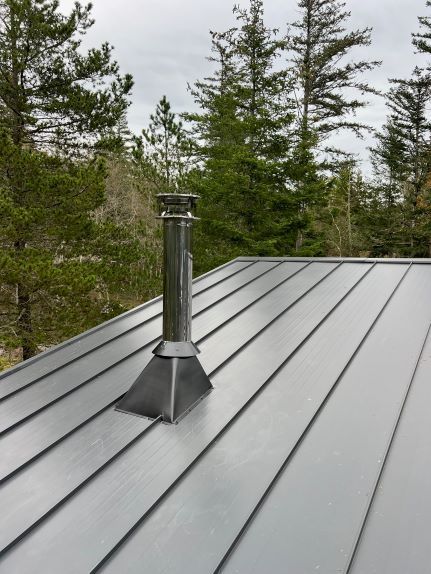
Snow. Metal sheds snow rather than stockpiling it, which takes load and ice damming largely off the table. The complication is that shed snow has to land somewhere, and a single release off a steep seam roof can bury a walkway, tear a gutter off, shear a plumbing vent, or flatten a shrub bed.
So snow retention gets designed rather than guessed at. Seam-clamped systems grip the standing seam without putting a single hole in the panel, and they get placed above entries, walkways, gas meters, propane tanks, and gutter runs. In this valley there is a second consideration most retention layouts miss: wind decides where the snow sits before any of it slides, so the loaded slopes and the drift lines around dormers and ridges are where retention actually needs to be. A layout copied from a calm-weather roof puts guards in the wrong places.
Metal Roofing Services We Offer
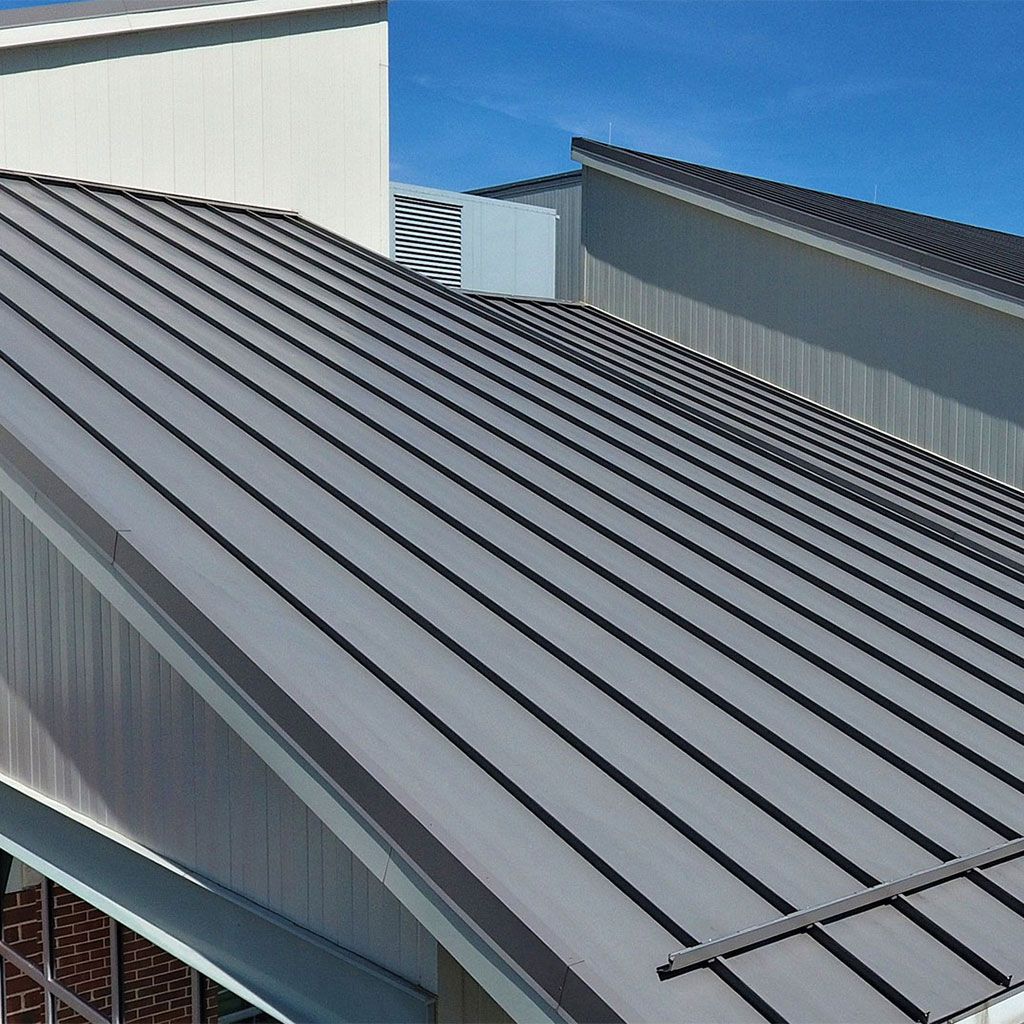
Standing Seam Installation
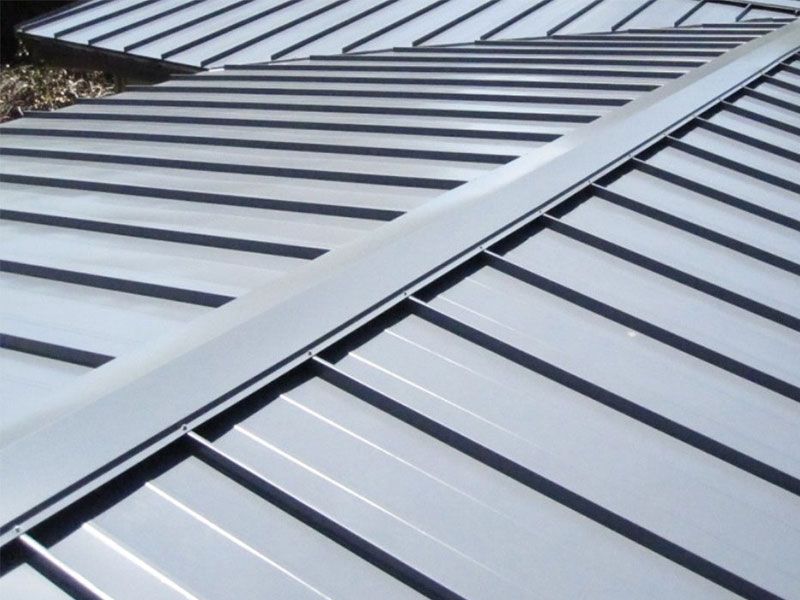
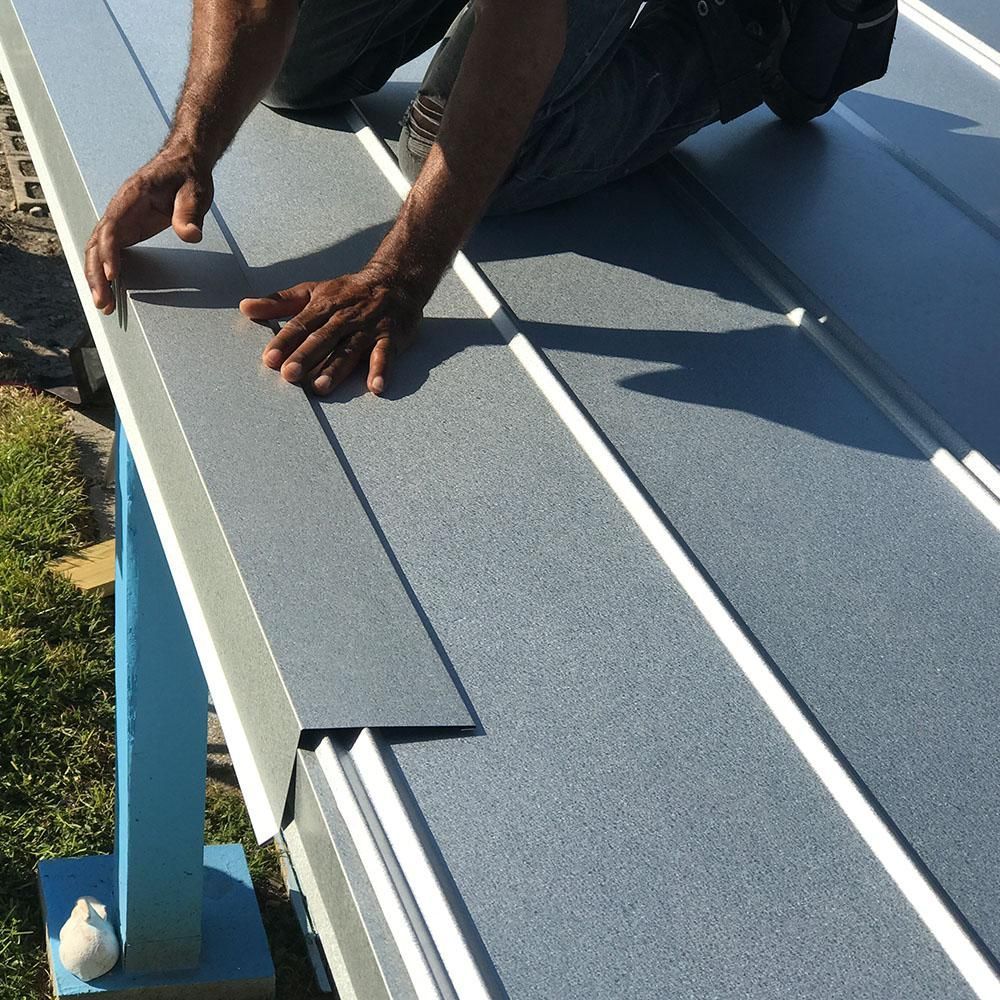
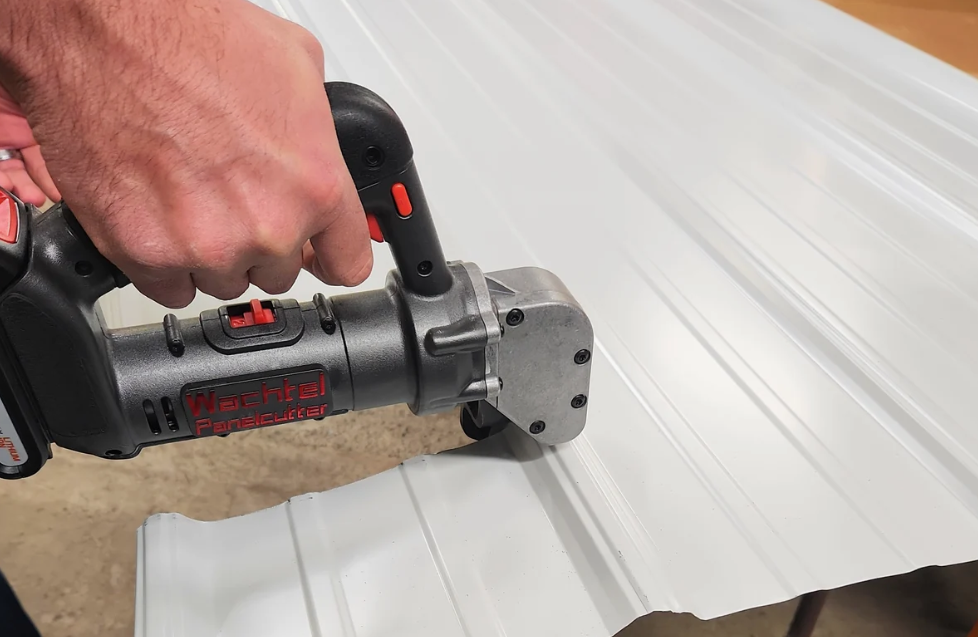
Panels rollformed to length on site in 16 or 18 inch widths, with striations on longer runs so oil canning does not show. Our default is 24-gauge Galvalume in a PVDF finish, from lines serving the Intermountain West: McElroy Metal, ASC Building Products, Metal Sales, and Bridger Steel. Snap-lock or mechanically seamed, specified to your exposure.

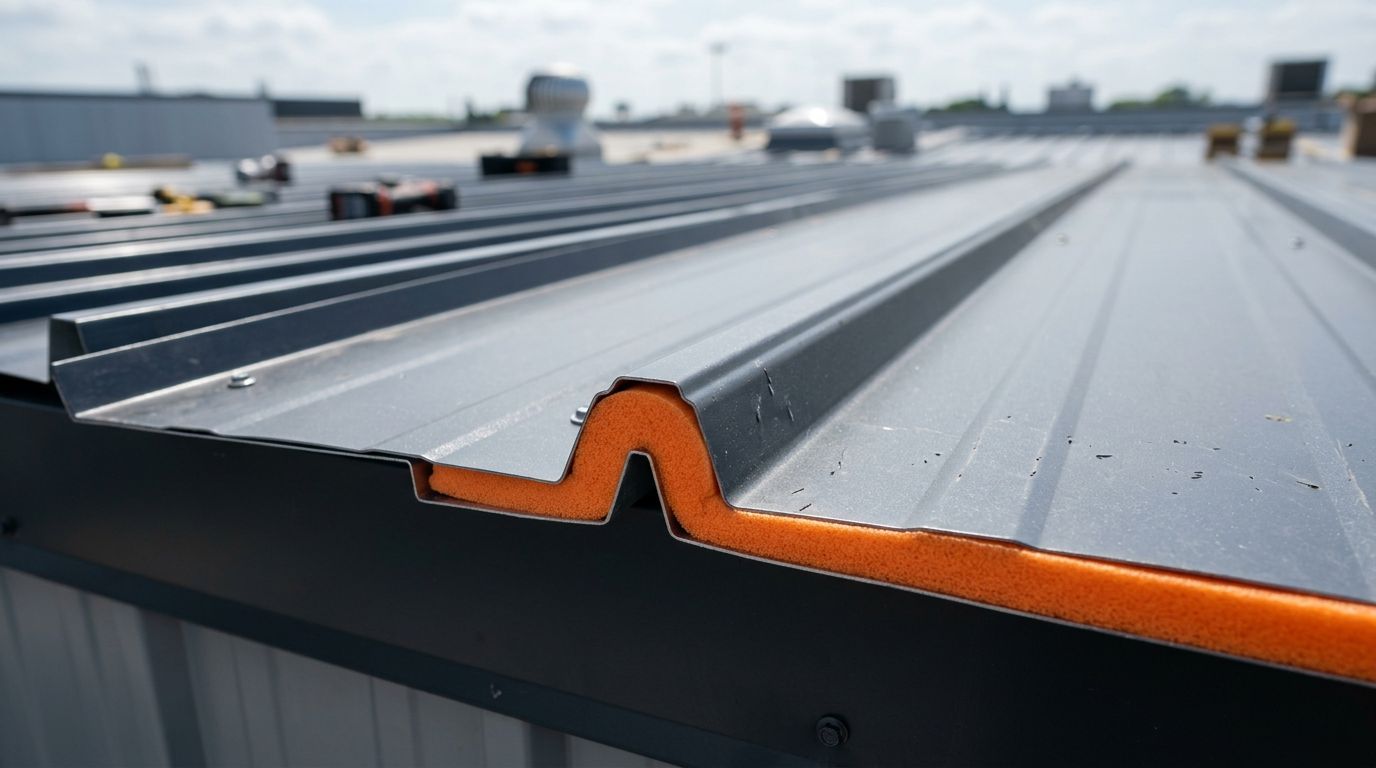
Exposed-Fastener Panel Roofing
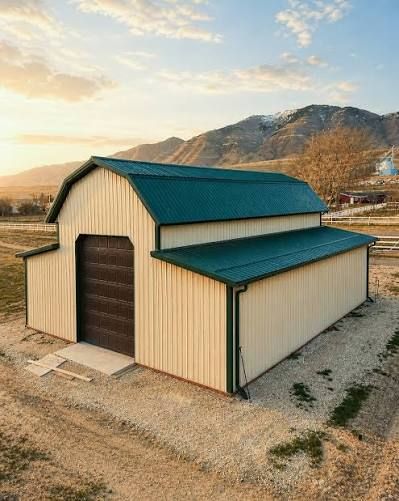
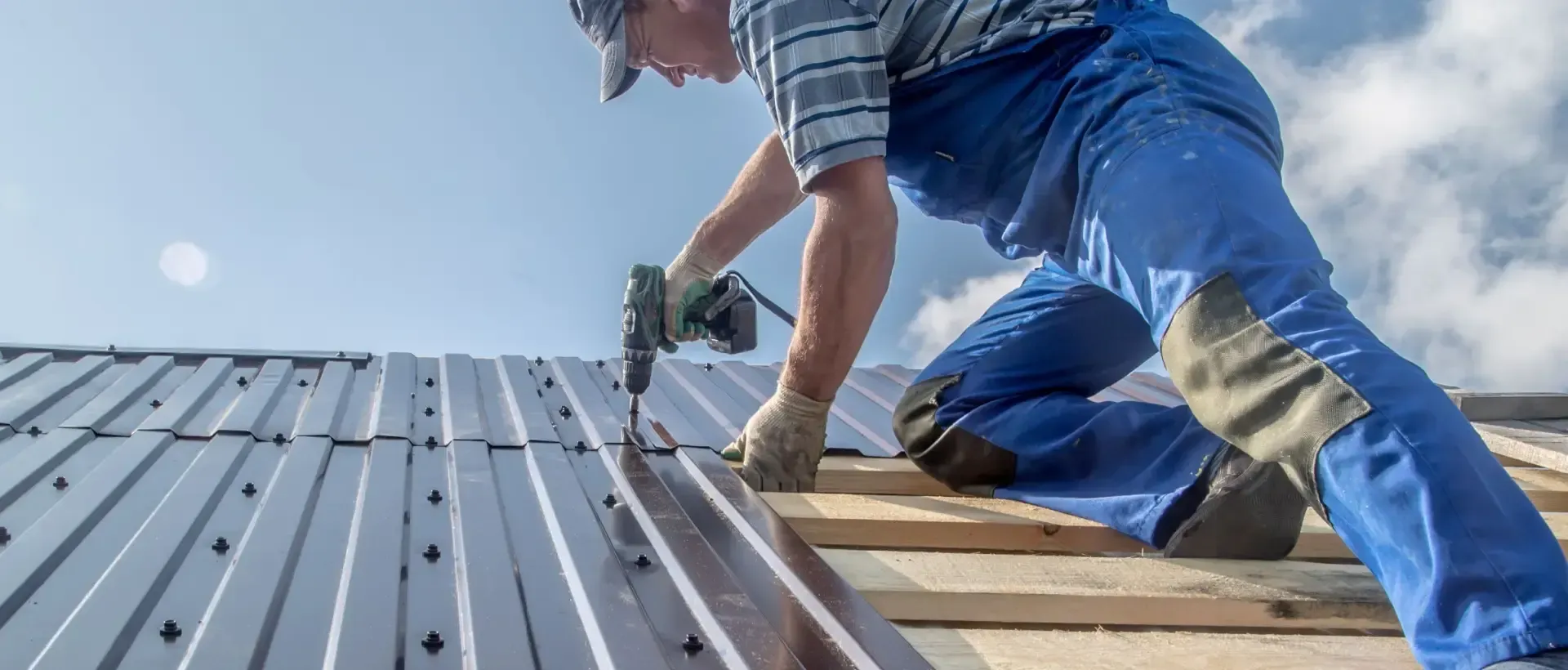
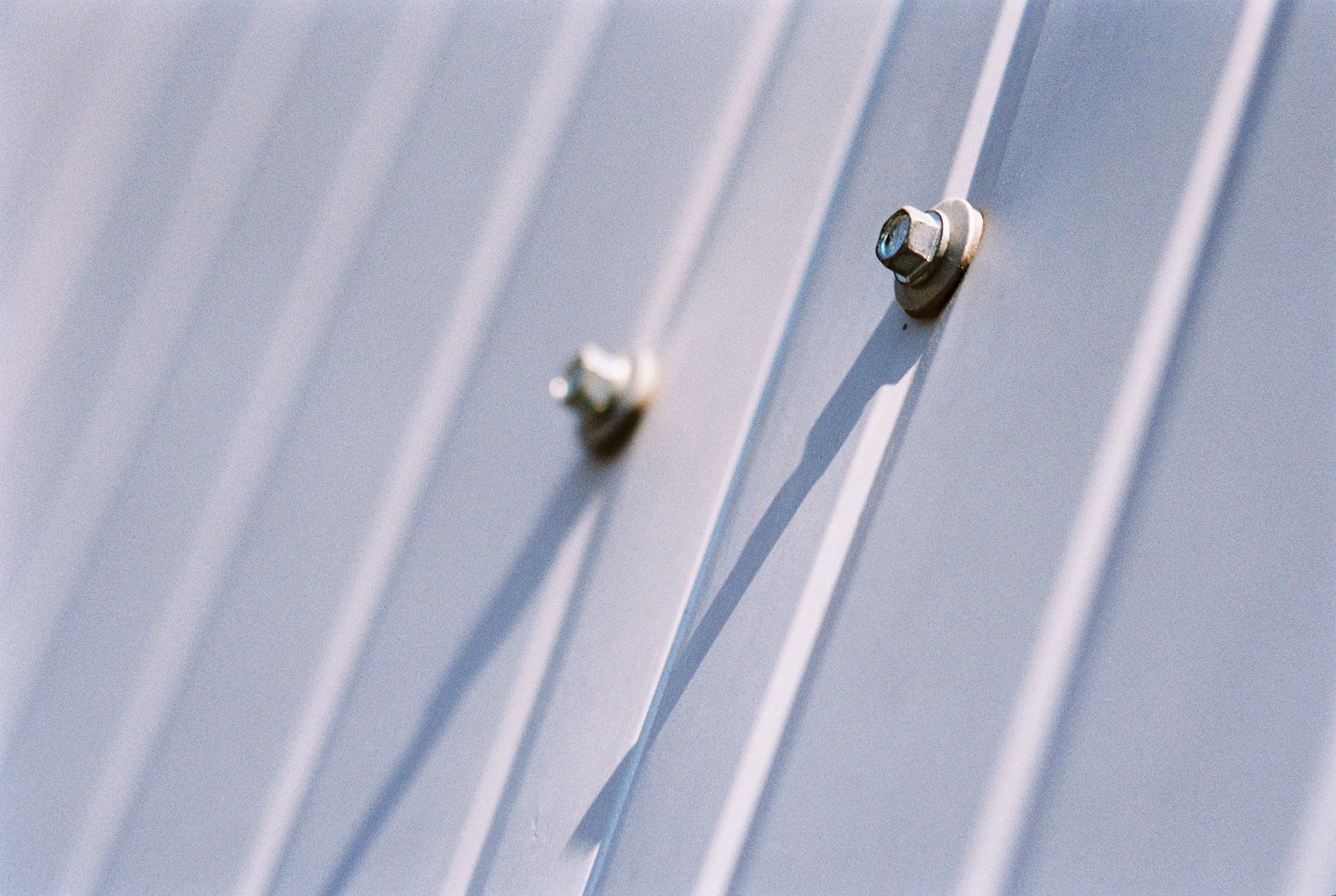
Ribbed profiles in the R-panel and PBR families, 36 inches of coverage per panel, screwed through the face into purlins or decking. Standard on shops and outbuildings, and entirely reasonable on homes with a simple roofline. We spec long-life fasteners with quality sealing washers rather than whatever shipped with the bundle.


How to Compare Metal Bids
Panels and paint get the attention and they are the easy part to price. The items below decide whether you get fifty years or twelve, none of them are visible from the driveway, and they are where a suspiciously low number comes from.
Snap-lock or mechanically seamed
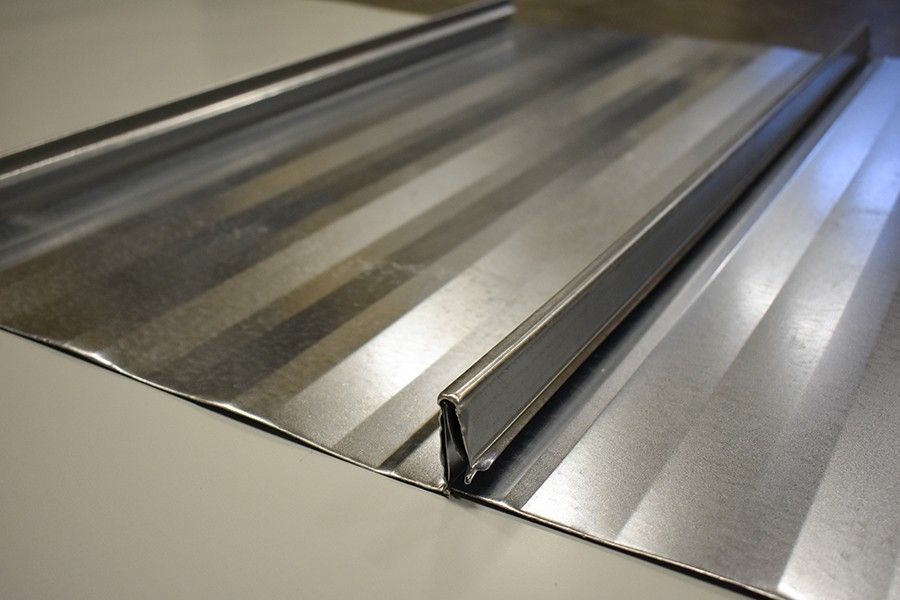
And why they chose it for your roof. Snap-lock is faster and cheaper. Mechanically seamed grips harder and is the appropriate answer on high-exposure and low-slope sections.

Clip spacing at perimeters and corners
Tighter than the field. Ask how it changes.

Floating clips that allow thermal movement
A long steel panel gains and loses real length across a large temperature swing. Fixed attachment on long runs fights that movement until something gives.

Three questions for every metal bid: How does clip spacing change at the corners? What gauge and what resin system is the finish? What closures go at the eave and ridge? Specific answers mean a crew that does this regularly. "Premium panel, premium finish" means somebody is hoping you do not ask again.
What Metal Roofing Costs in Tooele
Typical Tooele County market ranges; estimates only. Your exact number comes from a free inspection, and every estimate is line-item.
The arithmetic worth doing: standing seam costs roughly double an architectural shingle roof and lasts two to three times as long with less maintenance. On a house you intend to keep, it usually wins on cost per year. On one you plan to sell in five years, it usually does not. We will run your version of that with you rather than assuming.
"Wind doesn't peel a metal roof from the middle. It finds an edge and works inward."
Our Metal Roofing Process
01
Free Consultation
Roof, attic, and a walk around the site: pitch, exposure, where the wind comes from, slide paths over doors and walkways, and whether the framing suits the system you are considering.
02
The Number, in Writing
Line-item estimate within 24 to 48 hours covering both tiers where both make sense, with gauge, finish, clip system, edge treatment, closures, and retention layout specified in writing rather than left open.
03
The Work
Panels ordered to measure, tear-off with same-day dry-in, clip-fastened to specification with the perimeter detailed properly, closures and flashings installed for wind-driven snow.
04
Walkthrough & Warranty
Completion photographs including the seam, edge, and closure details you will never see again, paint system warranty registered, workmanship warranty in writing.
Why Choose Tooele Roofing Co for Metal
We treat the perimeter as the job
Clip spacing at corners, hemmed edges, and proper closures appear as line items on the estimate, because in this valley they are what the roof is actually buying.
We will tell you the cheaper tier is fine
Exposed-fastener panel is the right answer on a lot of buildings, and we would rather sell the right roof than the expensive one.
Both tiers are core work for us
The same crew that services shop roofs out toward Grantsville installs residential standing seam. Metal is not a subcontracted sideline.
Retention is designed, not sprinkled
Placed against your actual doors, walks, and the drift lines the wind has already established on your roof.
Metal Roofing FAQs
Metal Done for This Valley, Not a Catalog
Free consultation, both tiers priced honestly, and every specification that matters written on the estimate where you can hold us to it.
Or Call: 385-527-3313