Roofing Services in Tooele, Utah
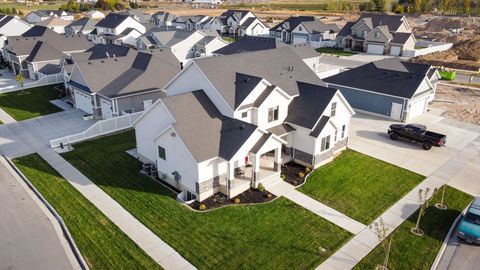
Roofs in this valley are fighting two different things in two different seasons, and most roofing companies are only set up for one of them.
From spring into fall the enemy is wind, and hail riding in on it. Wind does not push down on a roof, it generates lift, and that lift concentrates at the edges and the corners. Every gust flexes the adhesive strip that bonds each shingle to the one below it, and enough of them break that bond while the shingle still looks new. Then winter arrives and the same wind that damaged the roof in July redistributes the snow, scouring one slope bare and stacking the difference somewhere the structure was never asked to carry it.
Tooele Roofing Co works on both halves. Below is everything we do, with the honest version of each: what actually fails here, what it costs, and how the decision gets made.
Roof REPAIR
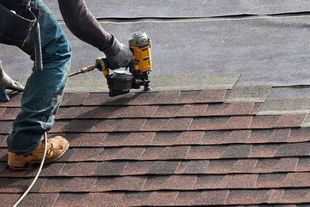
Most roofs here do not need replacing. They need the right small fix at the right time. Leak tracing to the actual entry point instead of the nearest suspect, creased shingles, ridge caps, rake edges, split pipe boots, and flashing rebuilt properly. This page also answers the question homeowners here ask most: why a roof leaks during a windstorm and stays dry in a steady rain. Small jobs welcome.
Roof Replacement
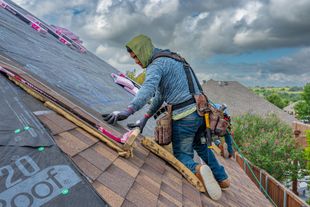
The expensive question, answered before the money changes hands. Repair or replace, decided by what the photographs show rather than what a salesperson needs. Full tear-offs with decking priced per sheet up front, six-nail high-wind fastening, sealed starter strip at the rakes, and ventilation corrected while the roof is open. Includes how insurance-funded replacements actually work, the shingle matching problem that catches people on partial approvals, and what replacement week does to your house day by day

ROOF INSPECTIONS
Free, photographed, and yours to keep whether you hire us, hire someone else, or do nothing at all. The one most people never think to get is the one before anything is wrong: a dated record of your roof's condition is what settles the argument when a carrier later claims your storm damage was pre-existing wear. Roof, attic, and every outbuilding on the property.
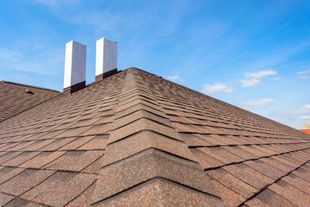
ASPHALT Shingle Roofing
The wind rating on the wrapper is a claim about the installation, not about the product. It assumes the adhesive has sealed, the nails are in the nailing zone, the fastening pattern matches the rating, and there is factory starter strip at the perimeter. This page covers all of it, plus impact-resistant Class 4 options and the three questions that separate a real shingle bid from a cheap one.
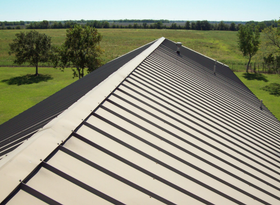
Metal Roofing
A strong argument in a wind and hail valley, provided it is installed for one. Metal almost never fails in the middle of a slope. It fails at an edge. This page covers clip spacing at perimeters and corners, hemmed edges, gauge and finish, standing seam against exposed-fastener panel, and the reason a metal roof can leak during blowing snow with no hole in it anywhere.
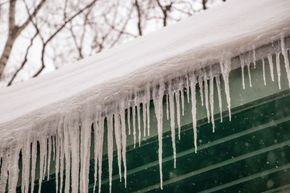
ICE DAM REMOVaL & PREVENTION
Tooele gets more snow than most people assume, and more than Logan does. Low-pressure steam removal that takes the ice off without taking your shingles with it, then the work that keeps the dam from rebuilding. This page also says something most ice dam articles will not: not every dam here is an insulation failure. Winter sun on a dark slope will build one on a perfectly sealed attic, and the fix is a different one.
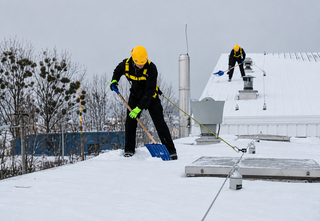
ROOF SNOW REMOVAL
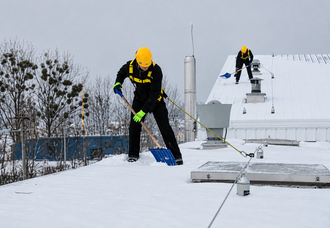
The snowfall number measured on flat ground is close to useless here, because wind does not let snow stay where it lands. This page covers where the load actually concentrates, the snow weight table, the five signs a structure is carrying more than it was built for, and how removal is done properly: rakes worked from the ground, a protective inch left on the roofing, and weight taken down evenly.
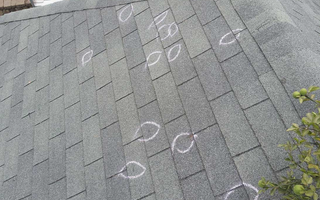
HAIL DAMAGE INSPeCTION & REPAIR
The damage you cannot see, explained properly. Bruising crushes granules into the mat and shortens a roof's life by years without ever producing a leak. This page covers how to check your own property from the ground in ten minutes, what gets mistaken for hail damage and how to tell the difference, how a test-square inspection actually works, and the functional versus cosmetic distinction that decides most hail claims.
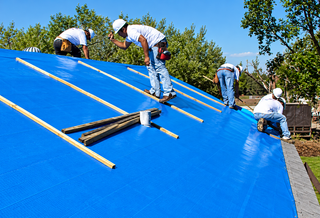
EMERGENCY ROOF REPAIR
Water coming in, roof open, or a tarp that let go. Wind-anchored tarping and peel-and-stick dry-in built to survive the next gust rather than just the night, because a tarp weighted down with boards is a temporary solution to a temporary solution. This page also tells you plainly what does not need an after-hours call, because emergency pricing should be for emergencies.
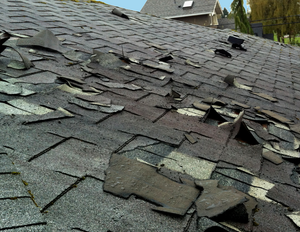
STORM & Wind DAMAGE
The defining service in this county. What wind damage actually looks like, what to do in the first two days, how a claim runs stage by stage, how to look up the public weather record for the night your shingles came off, and why your shop and barn are covered under a different part of your policy than your house is. Plus how to recognize the crews that arrive after a confirmed storm and leave before winter.
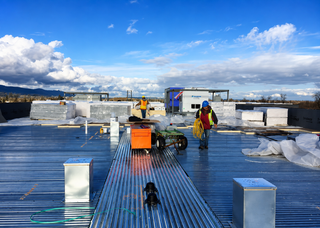
COMMERCIAL & AGRICULTURAL ROOFING
A flat roof almost never fails in the middle. It fails at the edge, where wind gets underneath and peels the membrane back across the field like a lid. This page covers perimeter and corner zone fastening, edge securement, and the drainage detailing that matters more here because ponded water freezes and thaws its way into seams all winter. Plus TPO, PVC, EPDM, and coatings, why moisture testing comes before any coating recommendation, and maintenance programs built on this valley's two seasons rather than one.
RAIN GUTTERS & SNOW GUARDS
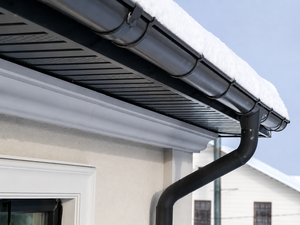
A gutter is a long open trough bolted to the most exposed edge of your house, and wind gets under the front lip and pulls up on every hanger holding it there. That is why runs out here sag, pull loose, and end up in the flower bed, and it has nothing to do with water. This page covers hanging for uplift, sizing downspouts for spring melt instead of an average rainstorm, and the debris problem that is specific to this valley, which is grit and granules year round rather than leaves in October. It also explains why you should photograph dented gutters before you replace them.
SHOP, BARN & OUTBUILDING ROOFING
The buildings nobody quotes. Too small for a commercial roofer, too odd for a residential route, and named in the storm damage reports about as often as houses are. Two things save owners real money here: exposed-fastener roofs leak at the screws long before the panels fail, and winter dripping in an intact building is almost always condensation rather than a leak. Also covers horse properties, hay covers, and pole barns. Every structure on the property quoted in one visit.