Roof Replacement in Tooele, Utah
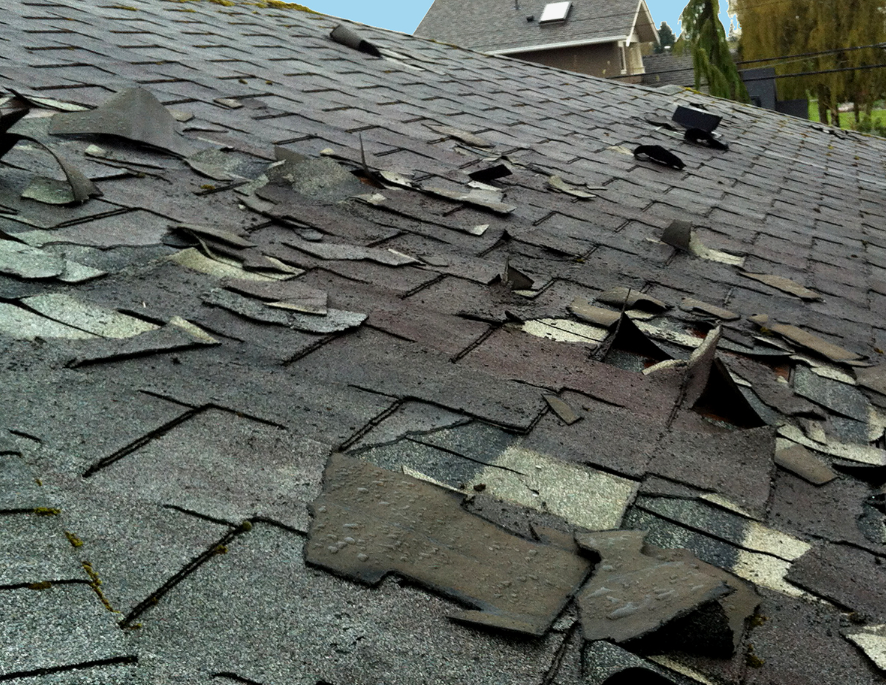
Shingles do not usually fail in this valley because they wore out. They fail because they came unstuck. Every asphalt shingle relies on a strip of adhesive that softens in warm weather and bonds each course to the one below it, and every strong gust flexes that bond a little. Do that a few thousand times across a decade of Tooele wind and the seal breaks down long before the shingle itself is finished. That is why roofs here often reach the end of their life with plenty of granule left on them, and why the first real sign of trouble is usually a run of tabs standing up along a rake edge after a hard night.
Tooele Roofing Co replaces roofs from the deck up across Tooele, Stansbury Park, Grantsville, Erda, Lake Point, and Stockton: full tear-off, decking checked sheet by sheet, synthetic underlayment, ice-and-water shield at the eaves and valleys, new flashing, and a fastening pattern specified for the wind this valley actually produces rather than the four-nail minimum on the wrapper. Before any of that, a free inspection with dated photos tells you whether replacement is even the right call. If a repair buys your roof another five years, we will put that in writing instead.
Get Your Free Roof Inspection
Roof Replacement vs. Roof Repair: How to Decide
Not every damaged roof needs replacing. Here's how to know what yours needs:
The matching problem, which is specific to storm markets. Insurance will sometimes approve one slope rather than the whole roof. That sounds like good news until you try to match a discontinued shingle. Product lines change color and profile every few years, and a replaced slope in a slightly different shade is visible from the street for the rest of the roof's life. If a partial approval comes back, ask your adjuster about matching provisions in your policy before you accept it. We will document the mismatch in photographs to support that conversation.
Roofs in this valley age together. Whole subdivisions went up here inside a few-year window, which means the roofs on them were installed within a few years of each other and are now reaching end of life on the same schedule. If several neighbors are re-roofing at once, that is not a coincidence and it is not a sales pitch. It is one product from one era failing on one timeline. A free inspection tells you where yours sits on that curve.
What a Full Roof Replacement Includes

Complete Tear-Off, No Layovers
Adding a second layer over the first hides the decking, traps moisture between shingle beds, adds dead weight, and gives wind a thicker edge to get underneath. We strip to the deck every time.

Decking Checked Sheet by Sheet
After tear-off, every sheet gets inspected for rot, delamination, and loose fastening. Anything bad is photographed, shown to you, and replaced at the per-sheet price that was already in your estimate. No surprise change orders.

Six-Nail High-Wind Fastening
Manufacturers publish a higher wind rating for their shingles only when they are fastened with six nails per shingle, placed in the correct nailing zone, rather than the four-nail minimum. In this valley that is the standard installation, not an upsell.

Sealed Starter Strip at Eaves and Rakes
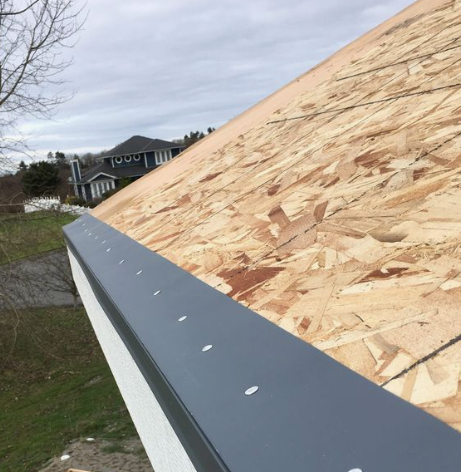
Uplift begins at the perimeter, and the rake edge is where most wind failures start. Factory starter strip with a properly positioned adhesive line goes on both, not just the eave.
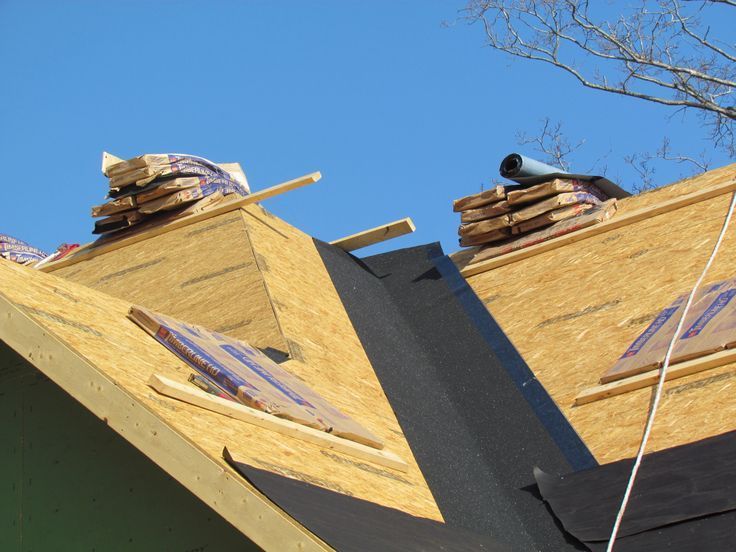
Ice-and-Water Shield at Eaves and Valleys
Membrane where meltwater backs up behind ice, and through every valley where water concentrates.

Synthetic Underlayment
Fastened at the spacing the manufacturer requires for wind resistance, because underlayment that tears loose during a storm before the shingles go on creates its own problem.


Best Roofing Materials for Wind and Hail
Choose a line with a high published wind rating and install it with the six-nail pattern — or the rating does not apply.
Top impact rating under UL 2218. Worth pricing in a valley with documented two-inch hail. Ask your carrier about a premium discount before you install.
Strongest uplift performance when clip spacing and edge detailing are right. Hail can dent it cosmetically without affecting function.
Common on shops and outbuildings. The screw washers are the wear item and need periodic service.
For flat additions and commercial. Perimeter and corner fastening is what decides whether it survives an uplift event.
Bars show realistic lifespan in Tooele County conditions on a shared 0–60 year scale; faded bar tips indicate the upper end of a range. Costs are typical market ranges, estimates only.
One note on the arithmetic. The Class 4 upgrade adds real money to the material line, and whether it pays back depends on two things: how often hail actually hits your address, and whether your insurer discounts the premium for it. We will quote your roof both ways so you can see the actual difference rather than guessing at it.
Your Replacement, Day by Day
Our Roof Replacement Process
01
Free Inspection
We walk the roof and go into the attic. Along with the shingles we check the seal condition at the edges, the soft metals for impact marks, insulation depth, and the underside of the decking for staining. Plan on about an hour. Everything we find gets shown to you on the spot rather than only written up afterward, and the photos are yours whether you hire us or not.
02
The Estimate, in Writing
A line-item estimate within 24 to 48 hours covering materials, tear-off and disposal, decking per sheet, permits, and ventilation. If a repair is the smarter buy, the estimate says so. This is also where you choose material, wind rating, and color, and where we price the Class 4 option beside the standard one. The estimate holds for 30 days, and deposit and payment terms are written out before you sign.
03
The Work
See the day-by-day section above for what the job actually looks like from inside your house. The short version: small exposed area, dry-in the same day, nightly cleanup, nightly magnet sweep.
04
Walkthrough & Warranty
We walk the finished roof with you and hand over completion photos of the parts you cannot see from the ground: valleys, flashing, ridge vent, and the perimeter fastening. We run the final magnetic sweep, schedule the jurisdiction's final inspection where the permit requires one, register your manufacturer warranty, and give you our workmanship warranty in writing. Payment is due at completion under the written terms, never in full up front.
What Roof Replacement Costs in Tooele
Typical Tooele County market ranges; estimates only. Hatched rows are priced per sheet or per structure rather than on the scale above. Your exact number comes from a free inspection.
What moves the number: square footage, pitch and number of stories, how many layers come off, decking condition underneath, material tier and wind rating, how many penetrations need new flashing, and how much perimeter and edge detailing the roof geometry requires. Your estimate itemizes every one of those so you can set it beside any other bid in the county and compare the same lines.
"Seven things move this number. A one-page bid shows you none of them."
Replacing a Roof Through an Insurance Claim
A meaningful share of roof replacements in this valley are paid for by an insurance claim rather than out of pocket, because wind and hail are covered perils in most homeowner policies while ordinary wear is not. That difference is the whole game, and it turns on documentation.
What we do. We inspect and photograph everything with dates attached, including the soft metals, since dented vent caps and flashing are often what establishes that an impact event actually occurred. We will tell you plainly whether what we found looks claimable or looks like age, and we can meet your adjuster on the roof.
What we will not do. We will not tell you a claim is approved before an adjuster has been out. We will not ask you to sign anything before you have a scope. And we will not offer to cover your deductible. That last one gets pitched as a discount and it is worth understanding clearly: absorbing a customer's deductible means the amount billed to the insurer does not reflect what the customer actually paid. Any contractor offering it is telling you something about how they operate.
One piece of timing that matters. Policies generally require damage to be reported within a defined window after the event, and the longer you wait the harder it becomes to separate this storm's damage from the last one's. If a significant wind or hail event hits your area, get the roof looked at that week even if nothing is leaking.
Why Choose Tooele Roofing Co for Replacement
We fasten for this valley, not for the minimum
Six-nail pattern, sealed starter at eaves and rakes, and ridge caps fastened for uplift. The wind rating on the wrapper only applies if the installation earns it.
We are based on this side of the Oquirrhs
No commute priced into your bid, and we are reachable in February if something needs a second look.
The estimate is the price
Decking contingencies are priced per sheet up front, so the number you sign is the number you pay.
We will tell you not to replace
If your roof has five more years in it, that is what the written estimate will say.
Roof Replacement FAQs
Find Out Whether You Actually Need a New Roof
One free inspection, photographed and itemized, and you will know which it is: repair, replace, or leave it alone for a few more years.
Or Call: 385-527-3313